Who is Lord Shiva?
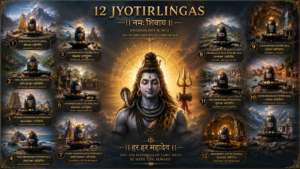
Lord Shiva is one of the most powerful and widely worshipped deities in Hinduism. Revered by millions of devotees across India and around the world, Shiva is known by many sacred names such as Mahadev, Bholenath, Rudra, Shankar, and Neelkanth. He represents destruction of evil, spiritual awakening, transformation, meditation, and divine consciousness.
In Hindu philosophy, Lord Shiva is part of the Trimurti, the holy trinity consisting of Brahma, Vishnu, and Shiva. Brahma is the creator of the universe, Vishnu is the preserver, and Shiva is the destroyer. However, destruction in Shiva’s context does not mean negativity alone. It symbolizes the removal of ignorance, ego, and evil so that new creation and positive transformation can begin.
Lord Shiva is considered timeless, limitless, and beyond human understanding. His divine personality combines simplicity, power, compassion, and fierce cosmic energy, making him one of the most spiritually significant gods in Hinduism.
Meaning of Shiva
The word “Shiva” means “The Auspicious One” or “The Benevolent One.” Devotees believe Shiva exists beyond birth, death, time, and space. He symbolizes the supreme consciousness that governs the universe.
Unlike many deities associated with wealth or luxury, Lord Shiva is portrayed as an ascetic yogi living in the Himalayas. This unique image teaches humanity the importance of detachment from material desires and the pursuit of spiritual wisdom.
Shiva also represents:
- Inner peace
- Self-control
- Meditation
- Liberation (Moksha)
- Infinite energy
His followers believe that worshipping Shiva helps remove negativity, fear, ego, and suffering from life.
The Divine Powers of Lord Shiva
Lord Shiva possesses immense cosmic powers and is regarded as the supreme force of transformation. Hindu scriptures describe Shiva as both compassionate and destructive, depending on the situation.
1. Destroyer of Evil
Shiva destroys evil forces and negative energies to restore balance in the universe. His destructive power is meant to protect righteousness and truth.
2. Supreme Yogi
Shiva is called Adiyogi, meaning the first yogi. He is believed to have introduced yoga and meditation to humanity thousands of years ago.
3. Lord of Time
Known as Mahakaal, Shiva controls time and destiny. He reminds devotees that everything in the universe is temporary except the divine soul.
4. Granter of Boons
Lord Shiva is famous for quickly blessing his devotees. Because of his compassionate nature, he is called Bholenath, meaning “the innocent lord.”
5. Power of Transformation
Shiva teaches that destruction is necessary for renewal. Just as old leaves fall before new ones grow, Shiva removes old patterns so spiritual growth can happen.
Important Symbols of Lord Shiva
Lord Shiva’s appearance is deeply symbolic. Every object associated with him has spiritual meaning.
Trishul (Trident)
The Trishul represents:
- Creation
- Preservation
- Destruction
It also symbolizes control over mind, body, and soul.
Damaru
The small drum called Damaru represents the cosmic sound from which creation began. It symbolizes rhythm, energy, and the cycle of life.
Third Eye
Lord Shiva’s third eye signifies higher wisdom and spiritual knowledge. According to mythology, when Shiva opens his third eye, evil and ignorance are destroyed instantly.
Snake Around the Neck
The snake symbolizes fearlessness, power, and control over desires. It also represents Shiva’s mastery over death.
Crescent Moon
The moon on Shiva’s head symbolizes control over time and emotions. It represents calmness and balance.
Ganga River
The sacred River Ganga flowing from Shiva’s hair represents purity and life-giving energy.
Ashes on the Body
Shiva covers himself in ash to symbolize the temporary nature of physical life and material possessions.
Shiva and Meditation
Lord Shiva is considered the ultimate master of meditation. His deep meditative posture reflects silence, awareness, and spiritual awakening.
Yogic traditions believe that Shiva shared the science of yoga with ancient sages. Because of this, he is worshipped as the founder of yogic culture.
Meditating on Lord Shiva is believed to:
- Calm the mind
- Remove stress
- Increase inner strength
- Improve spiritual awareness
- Bring peace and clarity
Many devotees chant the sacred mantra:
“Om Namah Shivaya”
This powerful mantra is believed to purify the mind and connect the soul with divine consciousness.
Mount Kailash and Manimahesh Kailash
Mount Kailash
Located in Tibet, Mount Kailash is considered the heavenly abode of Lord Shiva. It is one of the holiest pilgrimage destinations for Hindus, Buddhists, Jains, and Bon followers.
Devotees believe that Shiva resides there in eternal meditation along with Goddess Parvati.
Manimahesh Kailash
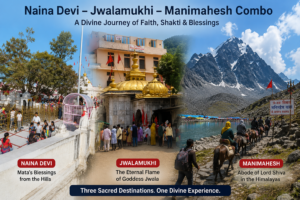
Manimahesh Kailash, located near Bharmour in Himachal Pradesh, is another sacred Shiva pilgrimage site in the Himalayas. Thousands of devotees undertake the Manimahesh Yatra every year to seek blessings from Lord Shiva.
The beautiful Manimahesh Lake reflects the snow-covered Kailash peak, creating a spiritually powerful atmosphere.
Lord Shiva in Hindu Festivals
Mahashivratri
Mahashivratri is the most important festival dedicated to Lord Shiva. Devotees fast, perform night-long prayers, and chant Shiva mantras.
This festival symbolizes:
- Victory over darkness
- Spiritual awakening
- Divine union of Shiva and Parvati
Shravan Month
The month of Shravan (Sawan) is highly auspicious for Shiva worship. Mondays during this month are especially sacred.
Why Monday is Dedicated to Shiva
Monday is considered the favorite day of Lord Shiva. Devotees observe fasts and visit Shiva temples to seek blessings for peace, health, marriage, and success.
Offering milk, water, and Bilva leaves to the Shiva Lingam on Mondays is regarded as spiritually beneficial.
Spiritual Importance of Lord Shiva
Lord Shiva is more than just a deity in Hinduism. He represents the ultimate truth of existence.
His teachings inspire people to:
- Let go of ego
- Embrace simplicity
- Practice meditation
- Develop inner strength
- Seek spiritual freedom
Shiva’s calm yet powerful presence reminds humanity that true peace comes from within.
For many devotees, Shiva is not only worshipped in temples but also experienced through silence, yoga, devotion, and self-realization.
Frequently Asked Questions (FAQs)
Why is Shiva called Mahadev?
Shiva is called Mahadev because he is considered the greatest and supreme deity among gods.
Which mantra is associated with Shiva?
The most powerful Shiva mantra is:
Om Namah Shivaya
Which day is dedicated to Lord Shiva?
Monday is considered highly auspicious for Shiva worship.
What does Shiva’s third eye symbolize?
It symbolizes higher wisdom and the destruction of evil and ignorance.
Why does Shiva wear a snake?
The snake represents fearlessness, power, and mastery over death and desires.
Final Thoughts
Lord Shiva remains one of the most spiritually profound figures in Hinduism. His symbolism, teachings, and divine energy continue to inspire millions of people seeking truth, peace, and transformation.
Whether worshipped as Mahadev, Adiyogi, or Bholenath, Shiva represents the eternal force that destroys negativity and awakens higher consciousness. His presence in meditation, yoga, and devotion makes him a timeless symbol of spiritual power and inner liberation.